

Lettuce seldom burdens a healthy digestive tract because leaves hold about ninety-five percent water and only a modest amount of fiber per cup, which keeps transit light for most people.
Many with IBS tolerate lettuce because of its low FODMAP content.
Some still feel puffy after a salad, often from large portions, eating too quickly, dressings with onion or garlic, or an abdominal wall reflex. A smaller bowl, slower pace, and simple toppings usually help ease symptoms.
Food safety still matters, since raw greens can carry pathogens, which makes cold storage, clean prep, and basic recall checks a smart part of the routine.
What Sits Inside a Leaf?

Lettuce is mostly water plus a small amount of fiber and a handful of vitamins and minerals. Most fiber sits as cellulose, an insoluble form that adds stool bulk and helps things move along.
Overall fiber load stays low compared with bran, beans, or many cooked vegetables, so salad volume tends to look larger than it feels in the gut. Harvard notes that romaine sits near 95 percent water, which supports hydration and softer stools.
Quick Nutrition Snapshot per Cup, Shredded
Lettuce type
Water percent
Fiber grams
Notable notes
Romaine
~95
~0.99
More folate and vitamin A than iceberg.
Butterhead
~95
~0.61
Soft leaves with a mild taste.
Iceberg
~95
~0.86
Lowest nutrient density among greens, still solid for hydration.
FODMAP Status and IBS Reality Check
View this post on Instagram
Low FODMAP status helps many people with IBS keep salad in the rotation. Monash University lists high FODMAP offenders in the vegetable aisle, such as onion, garlic, and mushrooms.
Lettuce does not sit in that group in normal portions, so leafy bases usually work. Trouble often enters with add-ins or dressing choices. Onion powder in a rub, garlic in a vinaigrette, honey on roasted veg, or heavy dairy can tip a quiet gut into symptoms.
NHS advice also supports oats and linseeds for bloat relief, which pairs nicely with a salad bowl. A spoon of ground linseeds on top adds gentle soluble fiber without a big FODMAP load.
Simple Salad Rules for IBS
- Keep the base simple at first. Romaine, butterhead, or iceberg in familiar amounts.
- Swap garlic or onion dressings for olive oil, lemon juice, salt, and pepper.
- Add protein that sits well for you. Eggs, grilled chicken, tofu, or canned fish often work.
- Sprinkle 1 tablespoon ground linseeds and drink fluid with the meal, per NHS guidance.
Why a Salad Can Still Puff the Belly
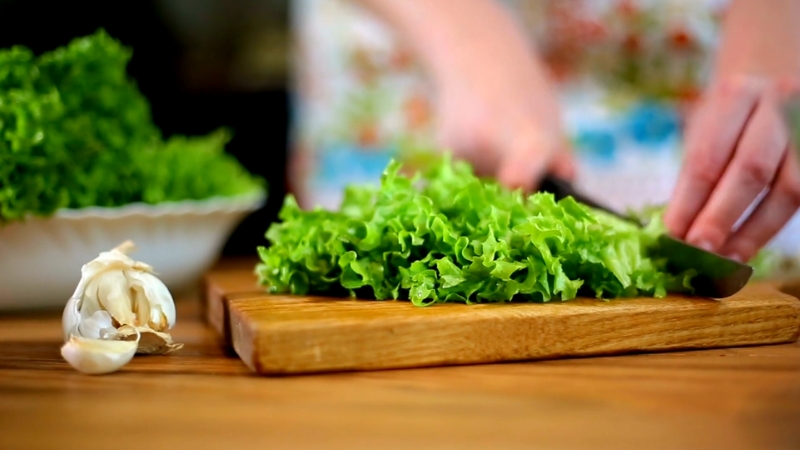
Complaints about “lettuce belly” show up in clinics. A small study in Gastroenterology looked at people who felt very distended after eating lettuce. Imaging did not show extra gas.
Distension came from a coordination glitch between the diaphragm and the abdominal wall called abdomino-phrenic dyssynergia.
In simple words, the diaphragm drops and the gut wall relaxes outward, so the belly looks full even without excess gas.
Health reporters highlighted the same reflex in recent coverage, pointing to biofeedback and breath drills as promising tools for stubborn bloat. Consultation with a clinician remains wise, especially if symptoms persist or feel unusual.
Practical Steps that Often Help
- Chew longer and set the fork down between bites.
- Sit upright with the ribcage tall and relaxed shoulders.
- Take three slow belly breaths before the first bite.
- Consider a warm element in the bowl so the meal does not feel icy cold. Roasted carrots or zucchini on top can make a difference on sensitive days.
Portion Guide for Different Situations
Situation
Suggested portion of raw lettuce
Notes for tolerance
First test after an IBS flare
1 cup
Keep toppings basic. Skip onion, garlic, and large amounts of beans.
Usual maintenance day
2 cups
Add protein and a spoon of ground linseeds or chia. Drink water with the meal.
Large salad fan with a bloat history
1 to 1.5 cups per meal
Split giant bowls across two meals. Cut leaves into fine ribbons. Add a warm side.
Personal limits vary, so a short food log helps spot patterns.
Lettuce vs Other Salad Bases
@naturalcures899 Did you know? #naturalcure89 ♬ Silhouette – Pastel Ghost
Iceberg brings crunch and a cool bite. Romaine steps up folate and vitamin A. Darker leaves in general lean higher on micronutrients, though water stays high in any common lettuce.
For fiber goals, lean on extras such as tomatoes, carrots, roasted squash, or a scoop of cooked grains that your gut likes. A mix often nails both taste and texture, which can reduce the urge to drown the bowl in heavy dressings.
Fiber Type and What It Means in Real Life
Cellulose resists human enzymes. Microbes can nibble at it, yet gas yield stays low in lab settings for small salad portions. Insoluble fiber speeds transit and adds bulk, which can feel helpful when stools are hard.
Very large insoluble fiber loads can feel rough during active IBS, so salads should build slowly after a flare. Lettuce rarely pushes anyone into a high-fiber zone on its own, given the sub-gram dose per cup for some types.
When Lettuce May Not Be Your Best Choice Today
- Severe IBS with high sensitivity. Even low gas foods can spark pain in a flare. Start small. Follow up with a dietitian if fear of food creeps in.
- Fast meals. Air swallows ramps up gas. Pace helps.
- Dressings with onion or garlic. FODMAP load jumps. Many store bottles use onion or garlic powder. Read labels and switch to simple oil-acid mixes if needed.
- Early recovery after GI surgery. Care teams often ask for low fiber at first. Follow the clinic’s advice.
- Active reflux with gigantic bowls at night. Late raw plates can bring symptoms. Shift bigger salads to lunch or wilt leaves with a warm topping.
- Active infection or recent strong antibiotics. Keep portions modest until stools settle and appetite normalizes.
Food Safety Facts that Matter with Raw Leaves
Leafy greens move through many steps before they reach a plate. Outbreaks still occur. The FDA keeps a dedicated action plan for STEC in leafy greens because of repeated E. coli events.
CDC has documented Listeria outbreaks where romaine and iceberg lettuce appeared among high-exposure foods. Millions of servings go down safely each day, yet basic controls lower risk at home.
Recent reporting also described a late 2024 multistate E. coli O157:H7 outbreak tied to romaine that led to hospitalizations and one death, which shows why vigilance around sourcing and handling still matters.
Safer Kitchen Habits for Greens
- Choose heads or bags with no slime, dark wet patches, or off odors. Keep cold on the way home. Store at 4 °C or colder.
- Wash hands before prep. Use clean boards and knives. Keep raw meat and poultry away from produce.
- Rinse whole leaves under cool water and dry well. Household washes cannot sterilize leaves, yet rinsing can lower soil and surface load.
- Eat pre-washed packs by the date on the label. Toss any bag that looks slimy or smells sour. Track recall alerts through the FDA or CDC pages.
Practical One-Week Trial for A Sensitive Gut
Day 1–2 – One cup of romaine with olive oil and lemon. Add a boiled egg. Jot notes on comfort, gas, and appetite.
Day 3–4 – One and a half cups mixed romaine and butterhead. Add tofu or tuna. Sprinkle one tablespoon of ground linseeds and drink water with the meal.
Day 5–7 – Two cups mixed leaves. Add a warm topping like roasted carrots. Keep onion and garlic out if low FODMAP rules apply.
A Short Note on Kids, Older Adults, and Athletes

- Kids. Lettuce helps kids meet fluid goals, yet protein and more robust fiber sources matter for growth. A cob of corn or beans on the side adds more fiber than a small bowl of greens.
- Older adults. Hydration support is a win, especially in hot weather. If chewing feels tiring, chopped leaves and soft toppings like eggs, canned salmon, or avocado can make salads easy to enjoy.
- Athletes. Pre-workout meals usually lean more on carbs with modest fiber to avoid gut noise. A small salad on the side of a carb-forward plate tends to work better than a giant bowl before a session.
Frequently Asked Questions
Bottom Line
Lettuce fits most digestive systems. Water content sits high, fiber dose sits modest, FODMAP load stays low in usual portions.
Bloat after a bowl often links to speed, stress, large volume, or dressings that hide onion or garlic.
Food safety deserves attention due to the raw format. Build salads with smart add-ins and a relaxed pace. Most people can keep leafy bowls on the menu without trouble.